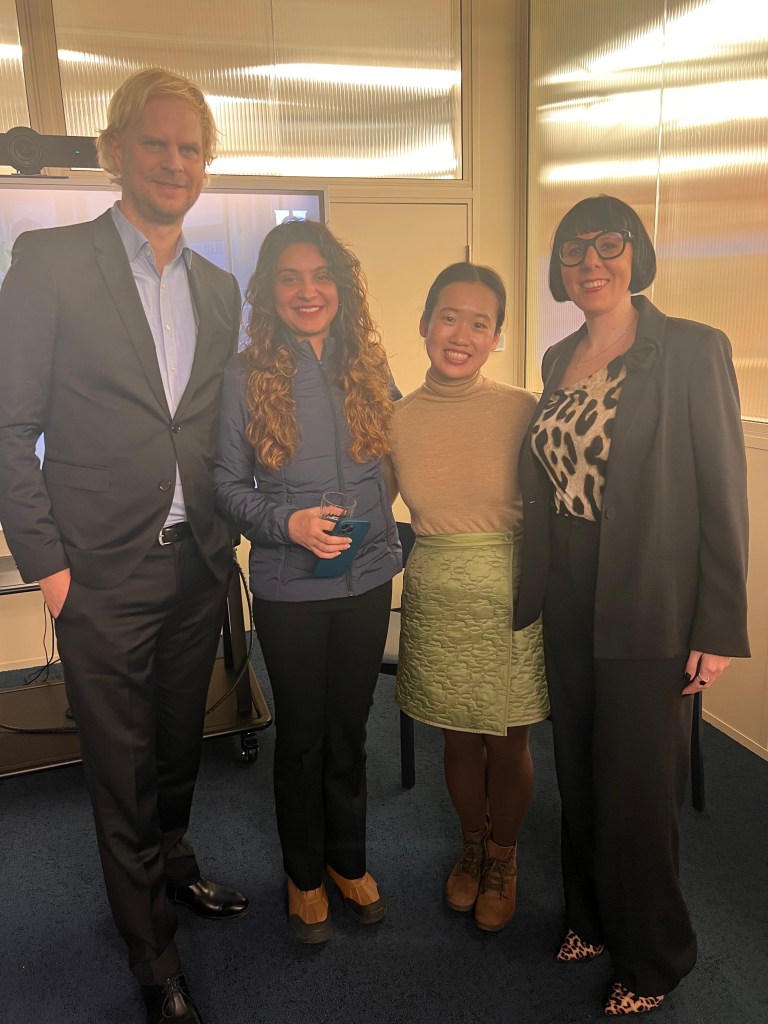
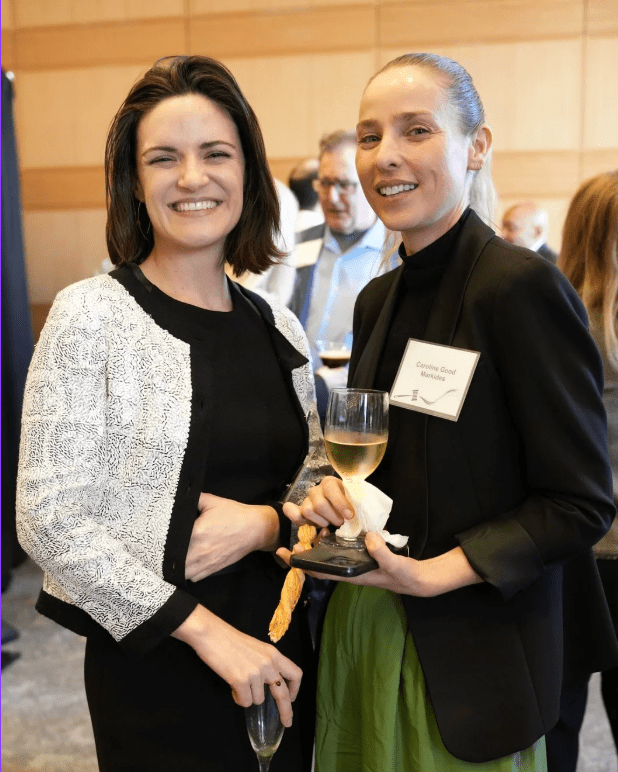
Fordham Fashion Law Institute’s 16th Annual Symposium: The Magic of Fashion
On April 17, 2026, our network was represented by core member Caroline Markides, who attended discussions on the legal, business, and cultural forces shaping the future of the fashion industry.
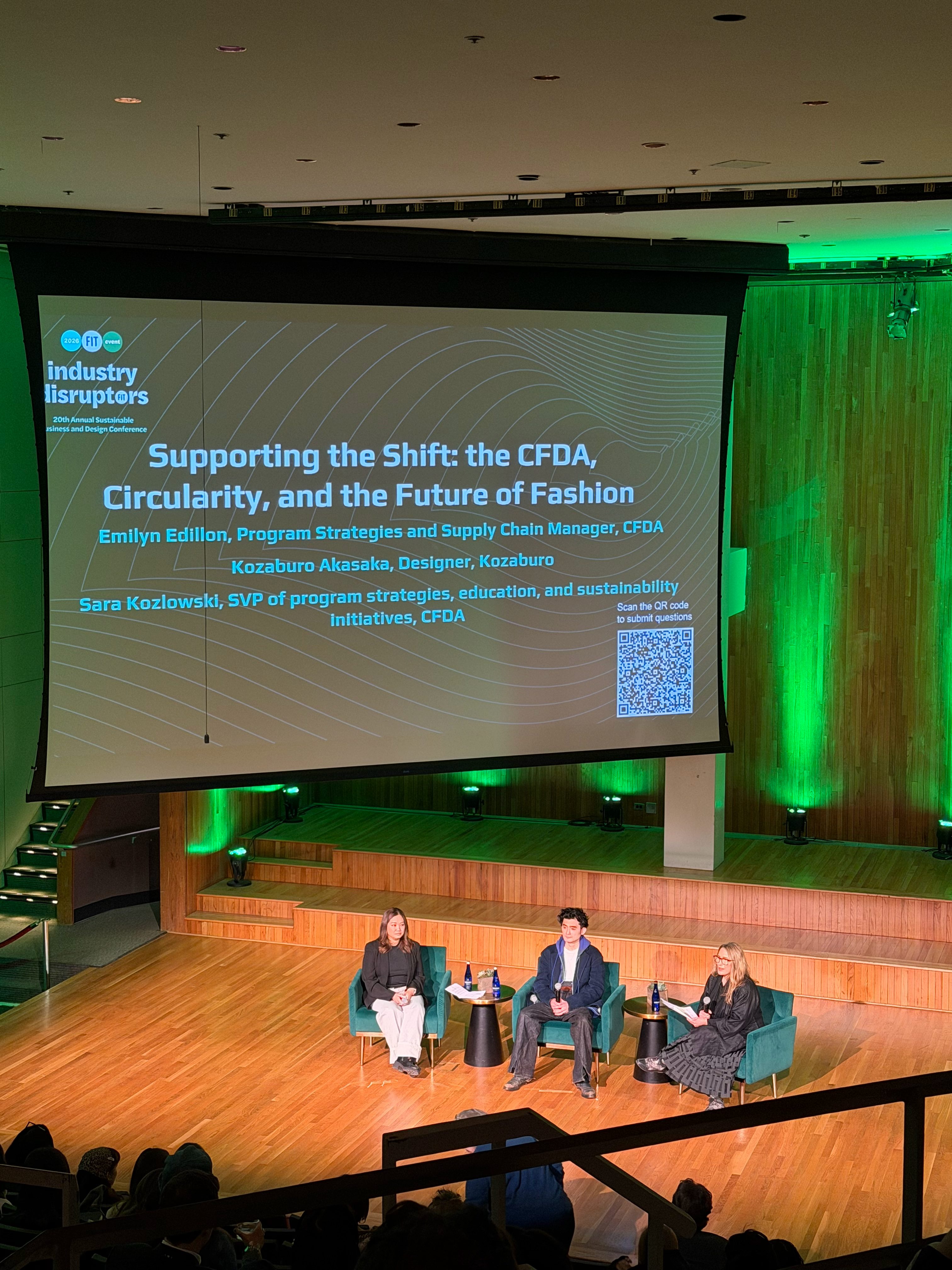
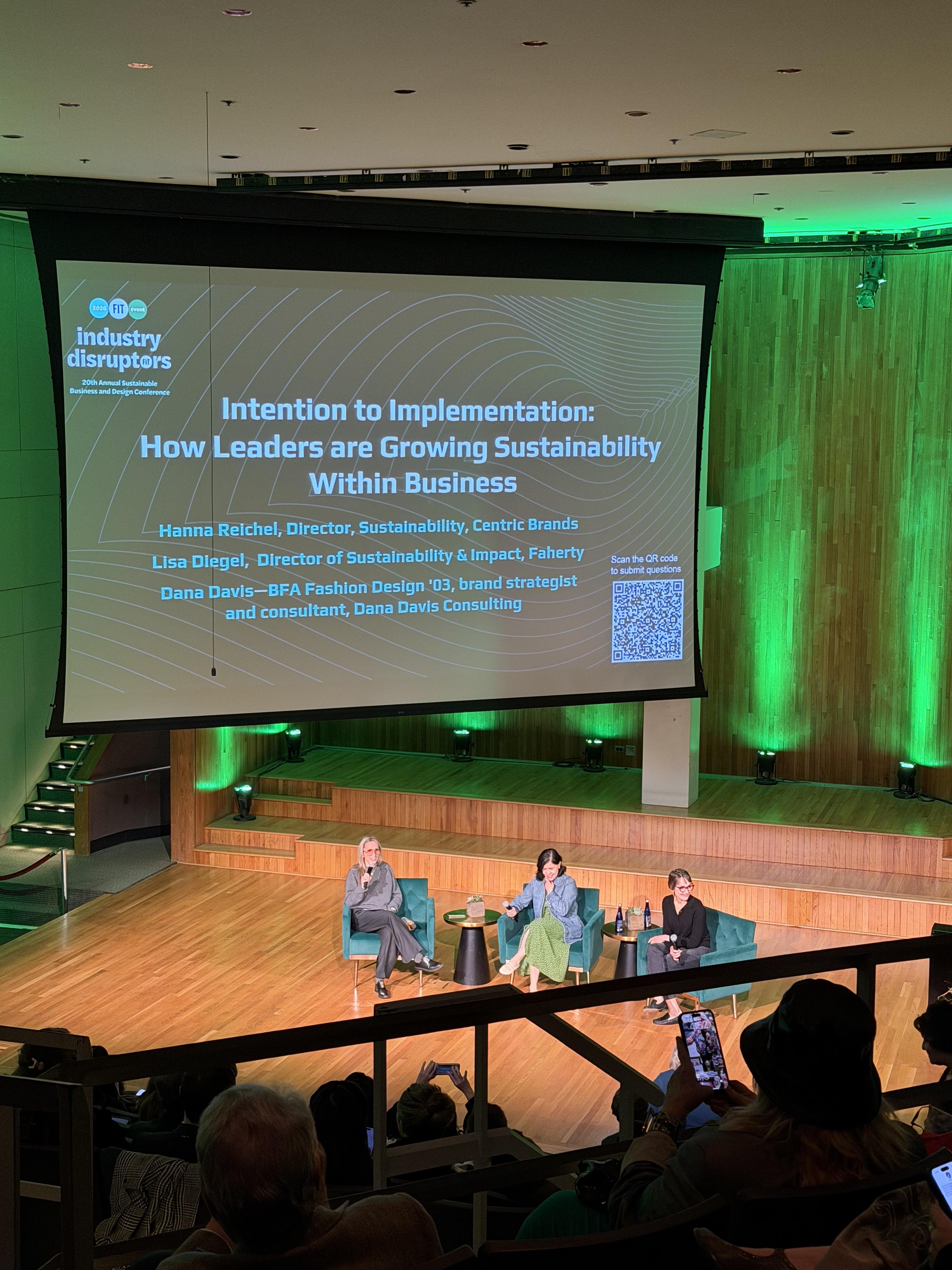
FIT’s 20th Annual Sustainable Business and Design Conference
Members of our network attended FIT’s 20th Annual Sustainable Business and Design Conference, engaging with global leaders, entrepreneurs, activists, and innovators shaping the future of sustainability in the fashion and creative industries.
April 8, 2026
—
April 9, 2026
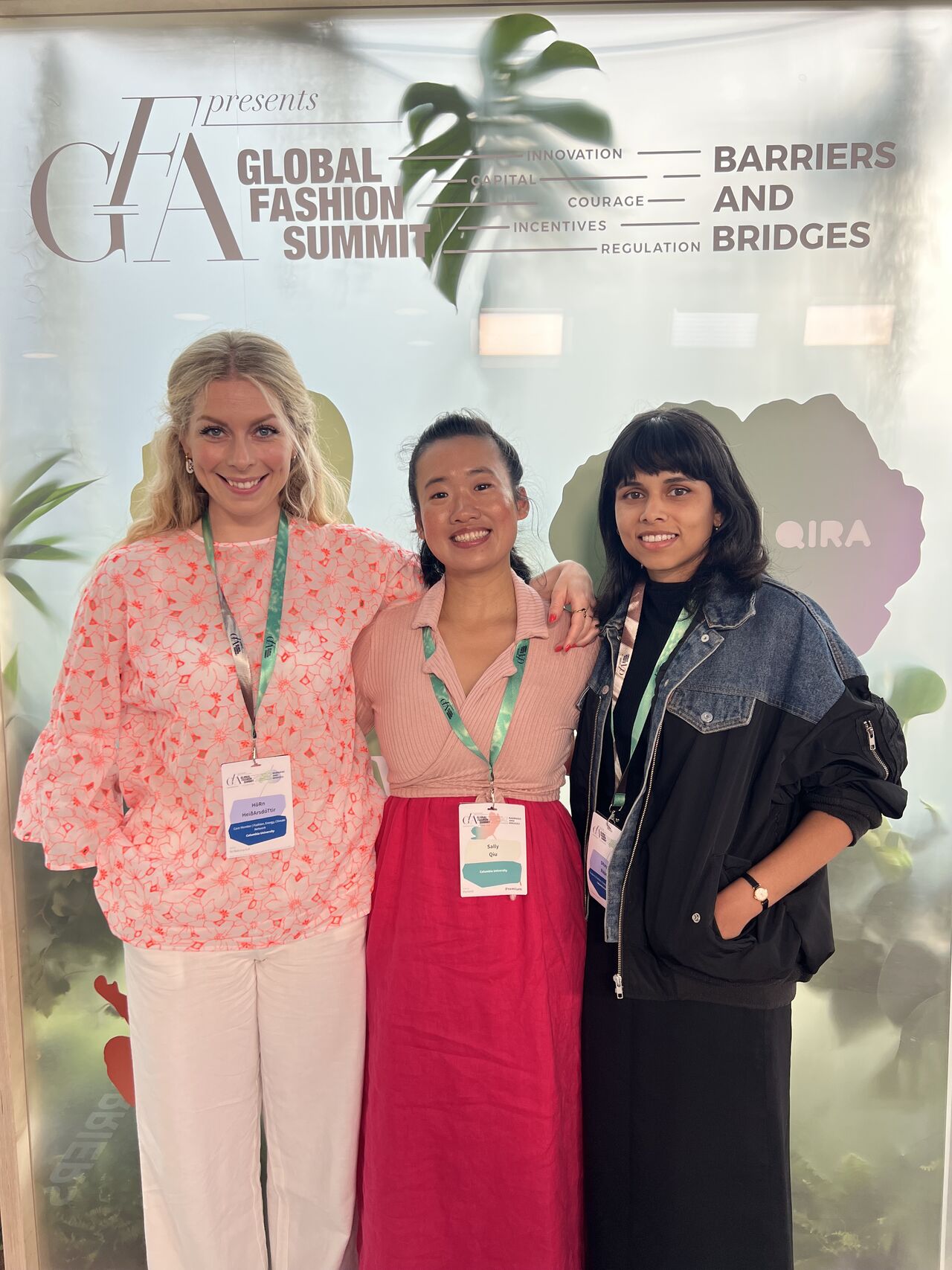
Global Fashion Summit: Insights from Copenhagen
Representatives from the network attended the 2025 Global Fashion Summit to gather insights on global sustainability trends in fashion
June 3, 2025
—
June 5, 2025
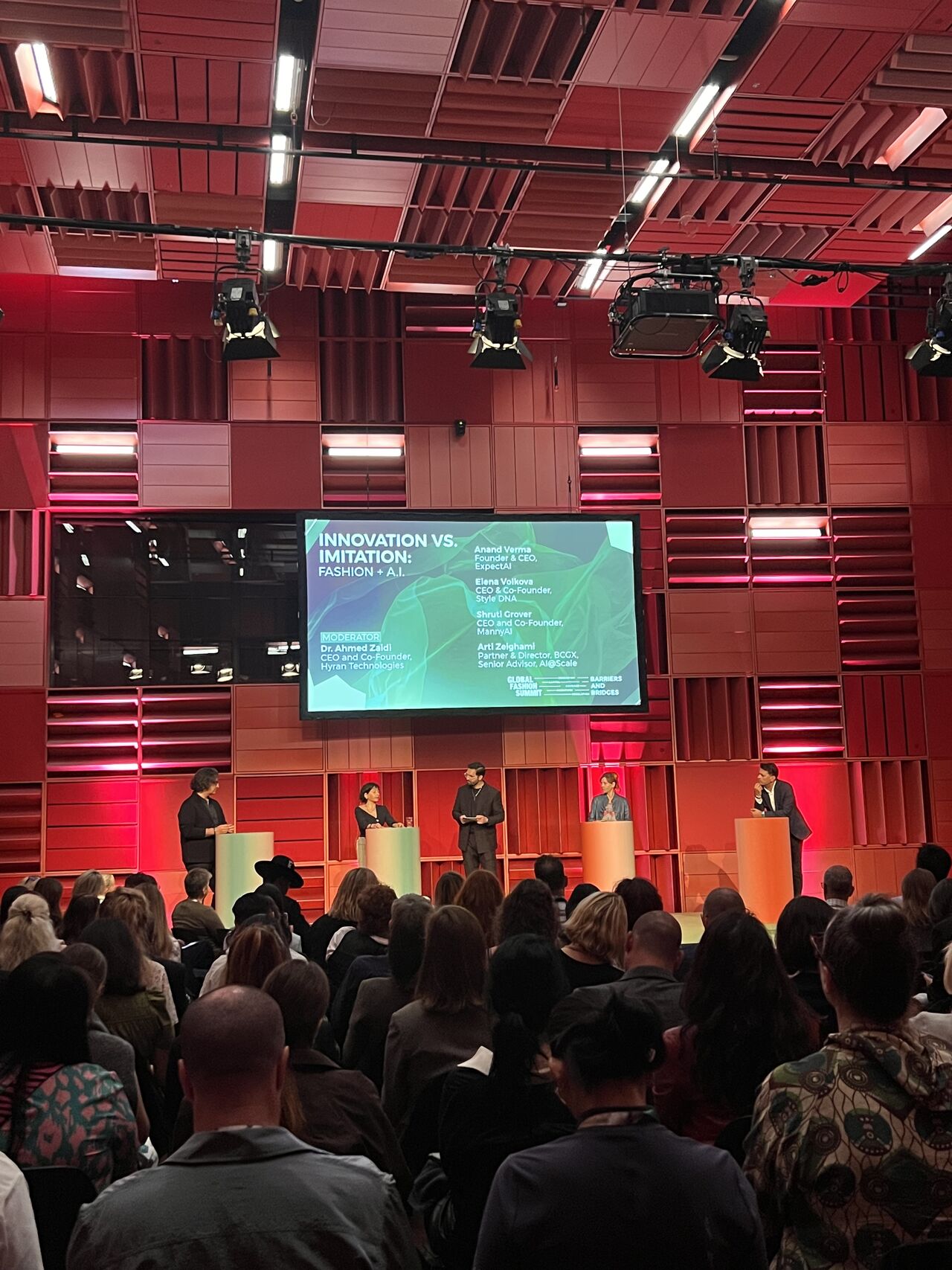

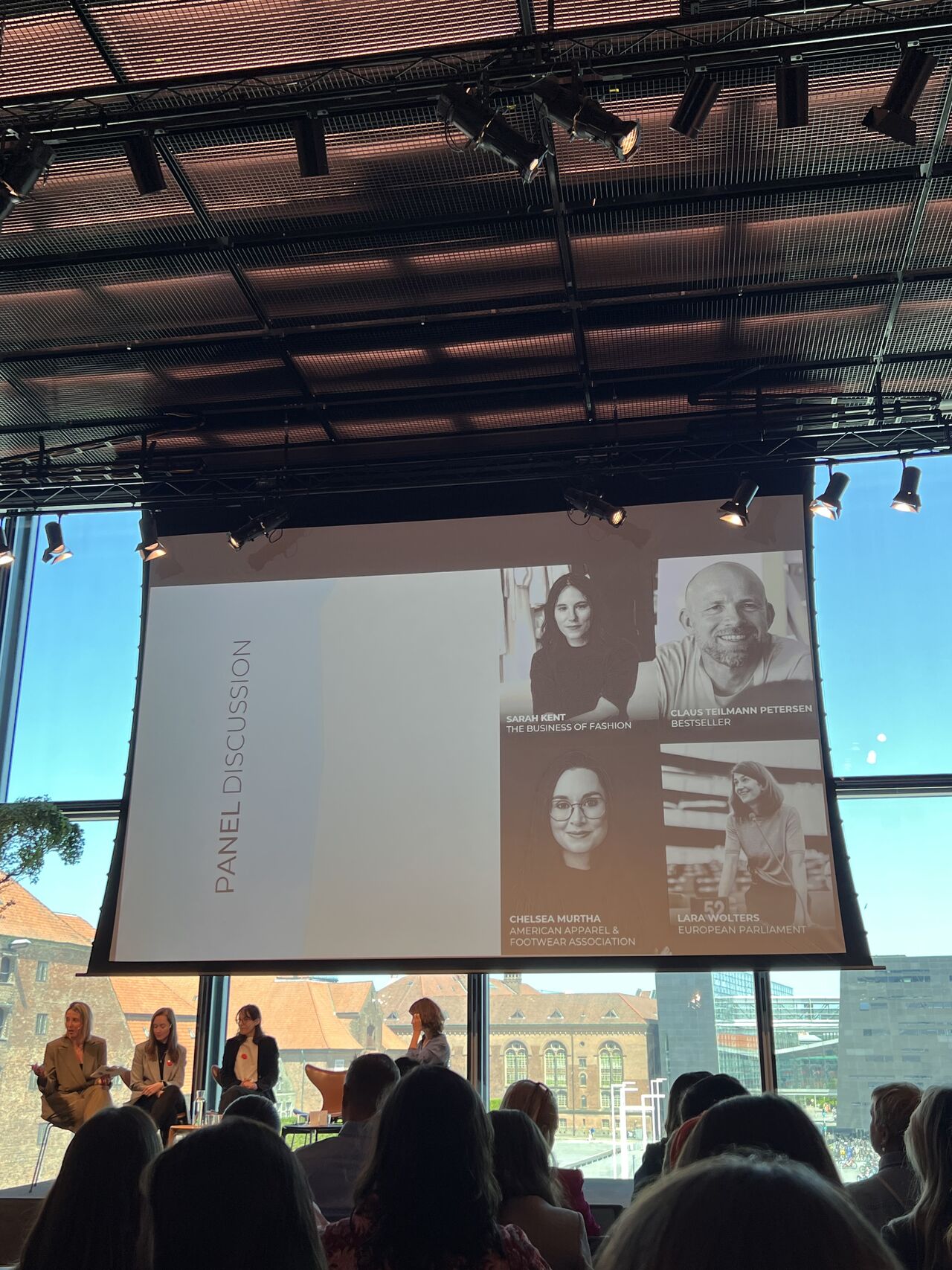

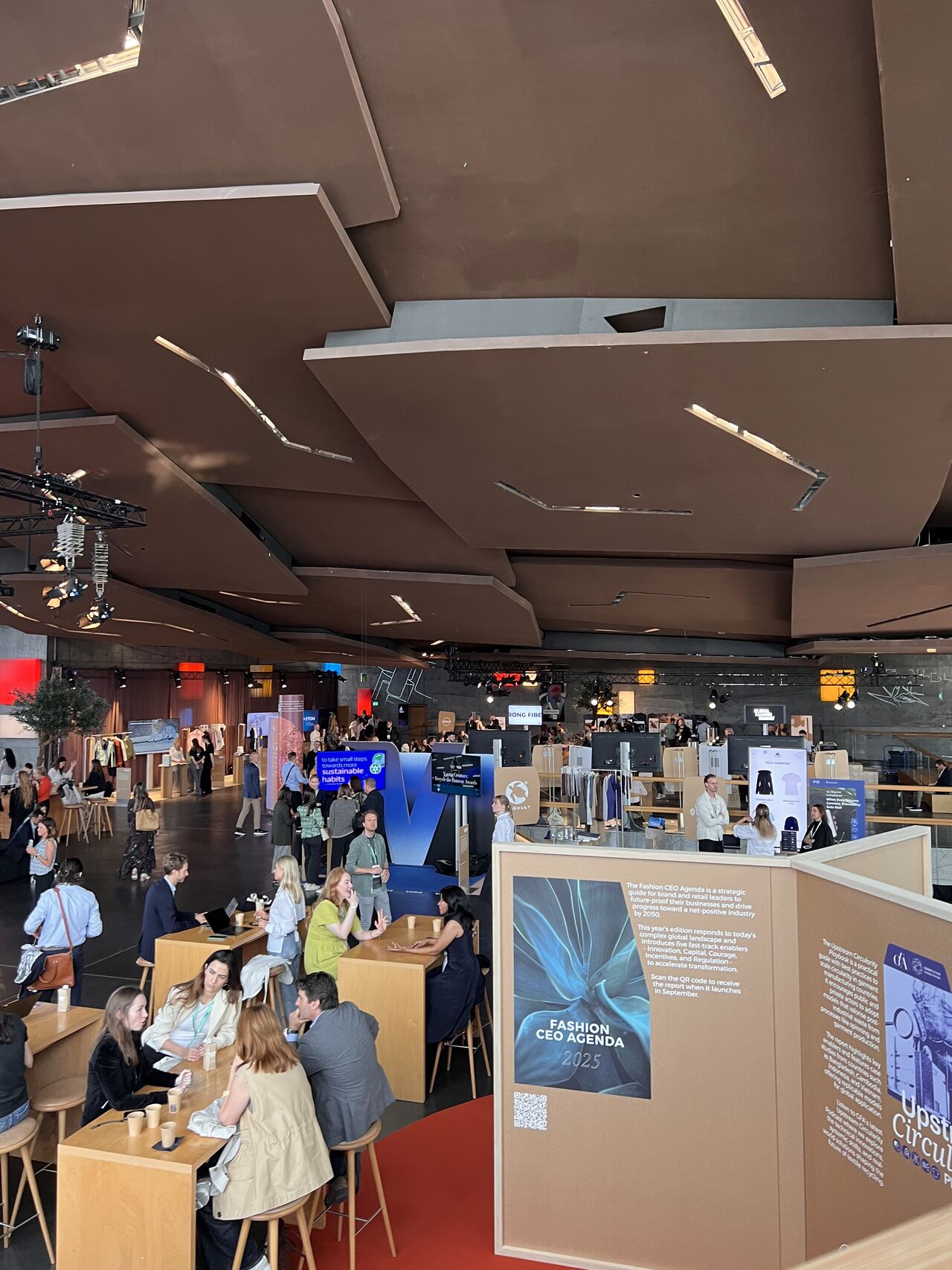
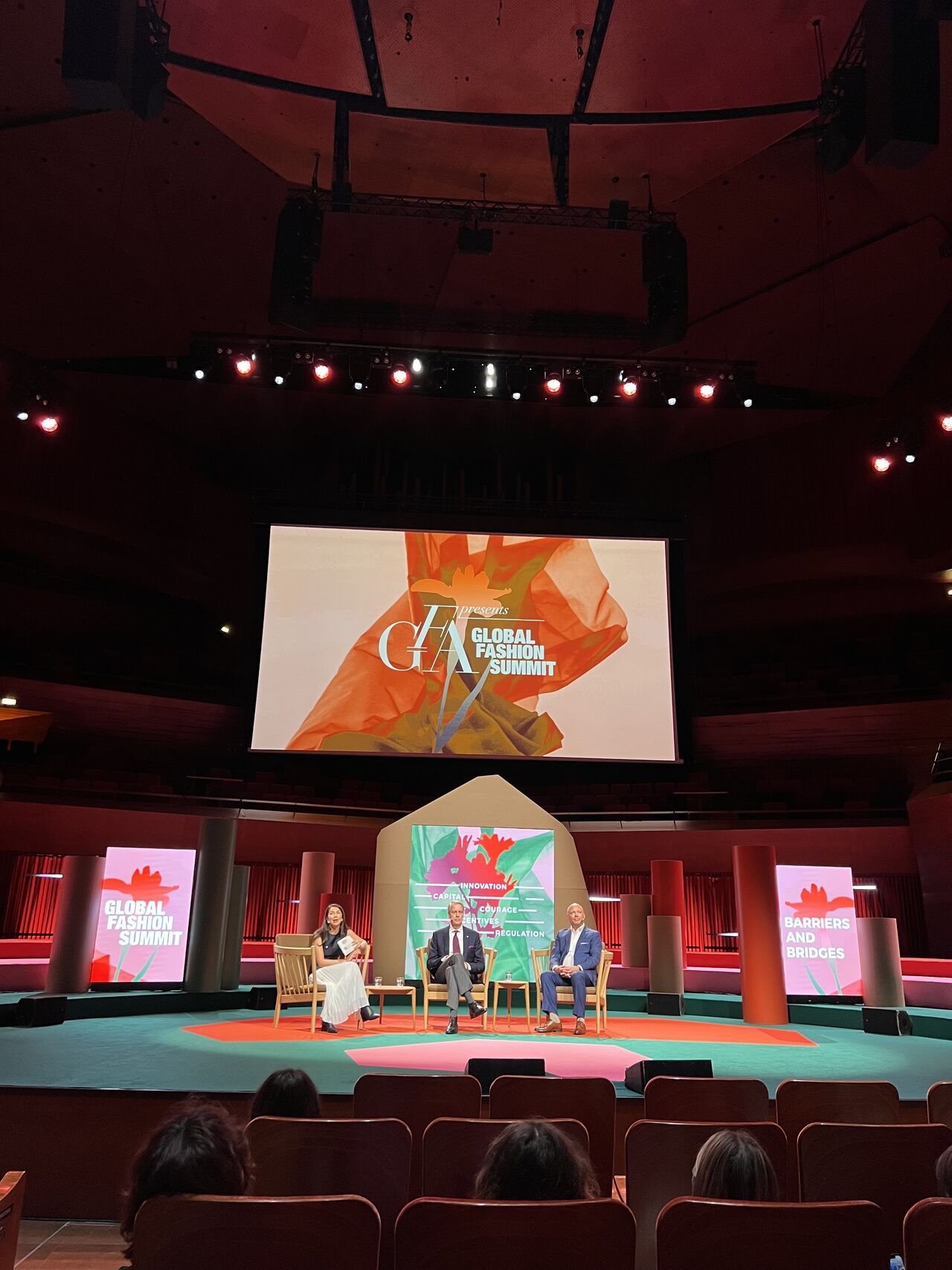
Key Insights
This summer, members of the Fashion, Energy, and Climate Network attended the Global Fashion Summit 2025 in Copenhagen. The summit reflected growing uncertainty in policy and trade, but the theme “Barriers and Bridges” sparked discussion on turning challenges into opportunities.
Policy
- EU advances the Digital Production Passport (DPP) and Extended Producer Responsibility (EPR), plus the Circular Economy Act and Omnibus Regulation. Omnibus may limit due diligence to tier-1 suppliers.
- US sustainability efforts are weakening federally; high apparel tariffs (~145%) discourage decarbonization investment.
- Latin America is expanding EPR; Mexico is creating a national circular economy strategy.
- China targets textile recycling growth by 2030 and aims to boost demand for low-impact goods through VAT and consumer-debt reforms.
Trade
- US tariffs create near-embargo conditions, disrupting supply chains and raising costs for fast fashion and Chinese e-commerce.
- China renegotiates trade agreements to align with EU rules and maintain market access.
Circularity
- Global circularity: 6.9%; textiles: 0.3%.
- Barriers: limited infrastructure, small added cost (<1%) for recycled fibers.
- Solutions require renewable energy, product redesign, and systemic policies.
Innovation
- Agentic AI may transform design, forecasting, and supplier coordination in 2–3 years.
- Lenzing Group’s ECOVERO viscose uses ≥20% recycled textile waste; LYCRA/Qore corn-based spandex reduces emissions by ~40%.
Bridging the Gap
- 87% of consumers want to act sustainably, but only 27% do; framing sustainability as a product benefit helps.
- Visa leverages transaction data to promote repair and reuse across 32 million SMEs in Europe.
- Collaboration across academia, industry, and youth leadership is essential.
The tools exist; the challenge is aligning demand, policy, and investment. As the saying goes, “A wall lying down is a bridge.”
Fusion Fashion Tech Society | Zurich to Davos Edition, Zurich, Switzerland
On January 17, 2025, at the Fusion Fashion Tech Society | Zurich to Davos Edition in Zurich, Switzerland, Sally Qiu moderated the panel “How Are Geopolitical Shifts Impacting the Fashion and Textile Industry?”
The panel analyzed the impact of geopolitical shocks on global supply chains and the fashion industry’s adaptive responses. The discussion also focused on the significance of sustainable sourcing practices and diversifying supply chains to enhance resilience.